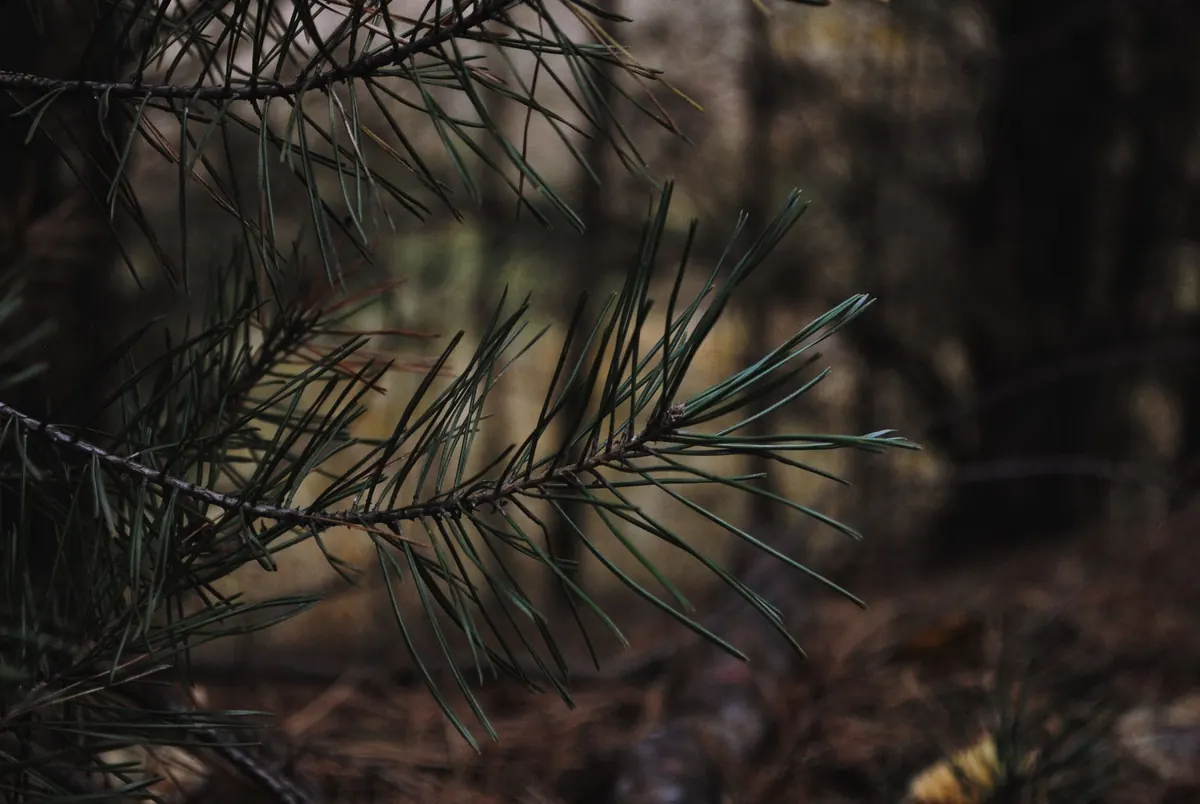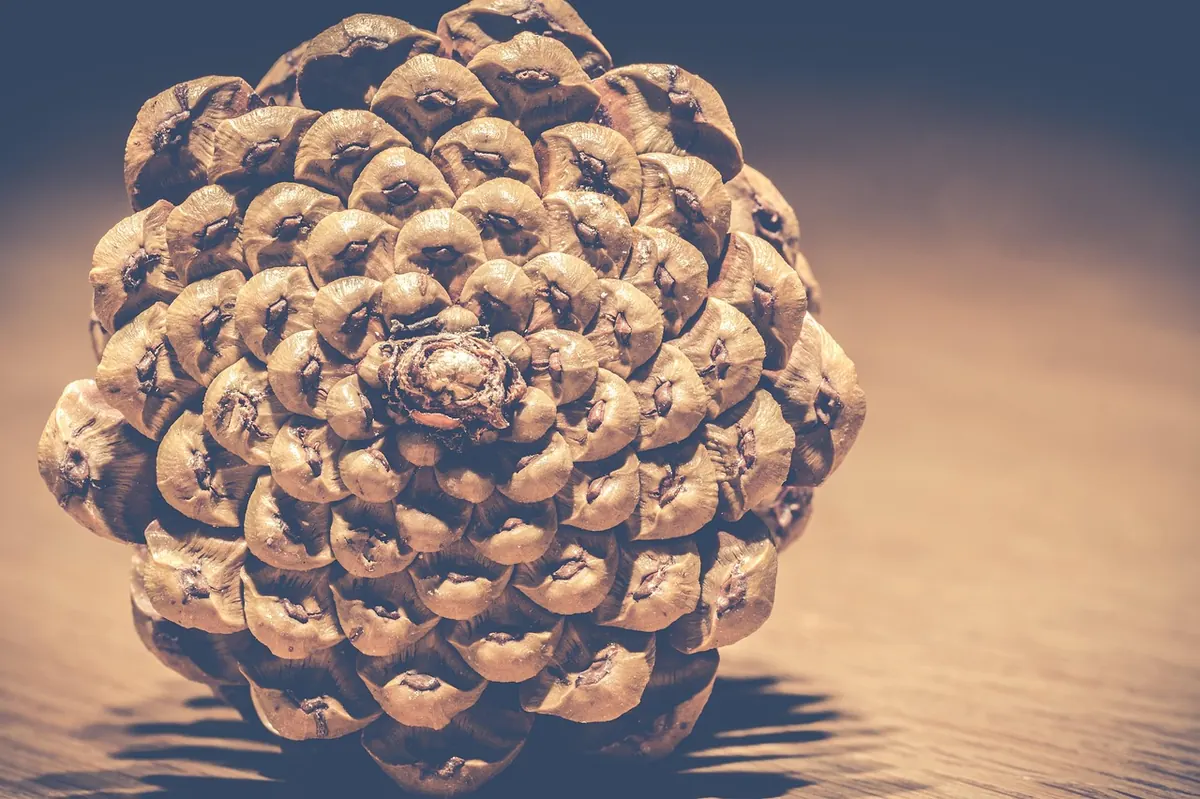
Walk under a mature Scots pine in late October and you will hear the season before you see it: a dry, faint clatter as cones let go and drop through the branches. By November the ground beneath a good tree can be carpeted. Those cones are not litter. They are the end of a slow reproductive cycle — and the beginning of something genuinely useful, whether that's kindling, mulch, decoration or a free lesson in how trees time their lives.
Why Cones Fall in Autumn
Pine cones are not fruit. They are woody seed cases, and the ones tumbling down in autumn are almost always the female cones, which have spent two or three growing seasons on the branch before ripening. Species vary: Scots pine typically takes two years, some others longer, and a few fire-adapted pines hold their cones closed for years on end. What matters for the autumn walker is that by now the seeds inside are mature. The cone's work is done, and the tree has no reason to keep carrying it.
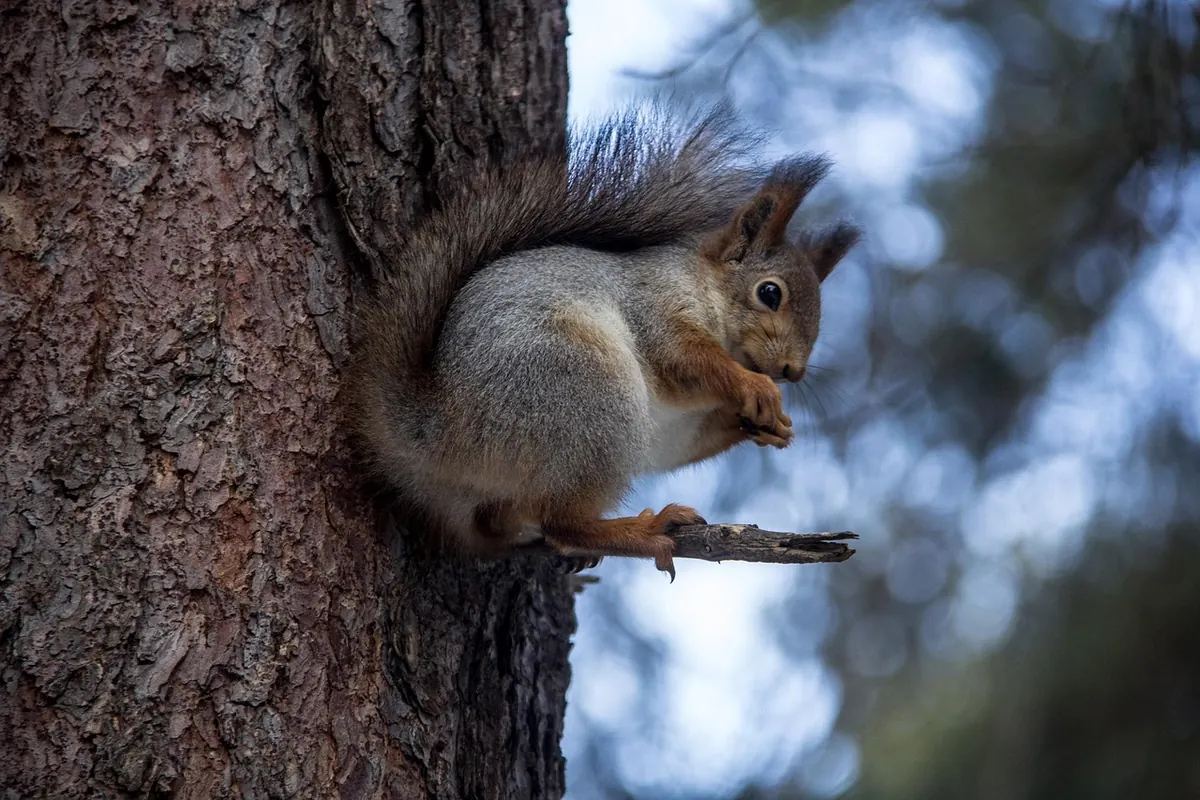
Wind, rain and simple weight bring them down. So does the weather's habit of swinging between wet and dry: every cycle of damp and drought works the scales a little looser and the cone a little closer to falling. Squirrels help too, cutting cones early and dropping the husks under their favourite trees.
How a Pine Cone Releases Its Seeds
The long wait
Female cones begin small and green, often high on the tree, and are dusted with pollen from the male cones — the little yellow clusters that powder everything in May. After fertilisation the cone sits tight and closed for a year or more, ripening slowly. Throughout that wait it is a target: squirrels, crossbills, mice and insects all feed on the developing seeds.
Dry air does the work
The scales are hygroscopic, which means they respond to moisture in the air. In dry conditions the tissue on the inside of each scale shrinks faster than the outside, bending the scale outwards. The cone opens like a set of shutters, and the seeds — each with a thin, papery wing — slip free and spin away on the wind. When the air turns damp, the scales swell and the cone closes again.
This is why a cone left on a windowsill can open and shut several times across a changeable week. It is also why they were once kept indoors as rough humidity indicators, long before anyone had a hygrometer in the kitchen.
Then the cone drops
Once the seed is gone, the empty cone is dead weight. Most cones you pick up in autumn are hollow husks that have already done their job. Shake one: if nothing rattles, it has finished. If you hear seeds knocking about inside, you have found one that fell early, and you can try growing from it.
What the Cones Tell You About the Wood Around You
Spend ten minutes reading the ground and you can work out what has been happening above it.
- Open, dry, empty cones — seed release has finished and the weather has been dry.
- Closed cones lying about — recent rain, or a cone that fell before it ripened.
- Neat piles of stripped green cones at the foot of a tree — squirrel feeding stations, known as middens. Red squirrels in particular leave tidy heaps of chewed cobs.
- Scales scattered on a stump or log — an anvil, used again and again.
- Cones with the scales nibbled but the core intact — crossbills, whose crossed bills prise seeds out sideways.
Collecting Cones Without Causing Harm
Gathering a few cones is a harmless autumn pleasure, provided you do it thoughtfully.
- Ask first. Fallen cones on private land, nature reserves and many public woodlands belong to the landowner, and bodies such as Forestry England often restrict collecting. A quick phone call or email sorts it out.
- Take from the ground, never the tree. Pulling green cones off branches removes next year's crop and robs wildlife of food.
- Choose dry, open cones. Damp ones carry mould and hidden insects.
- Leave plenty behind. Invertebrates, mice and birds all make use of them.
- Avoid treated ground. Skip roadsides and car parks where herbicide may have been used, and leave anything soft, black or rotting.
Five Good Uses for Fallen Cones
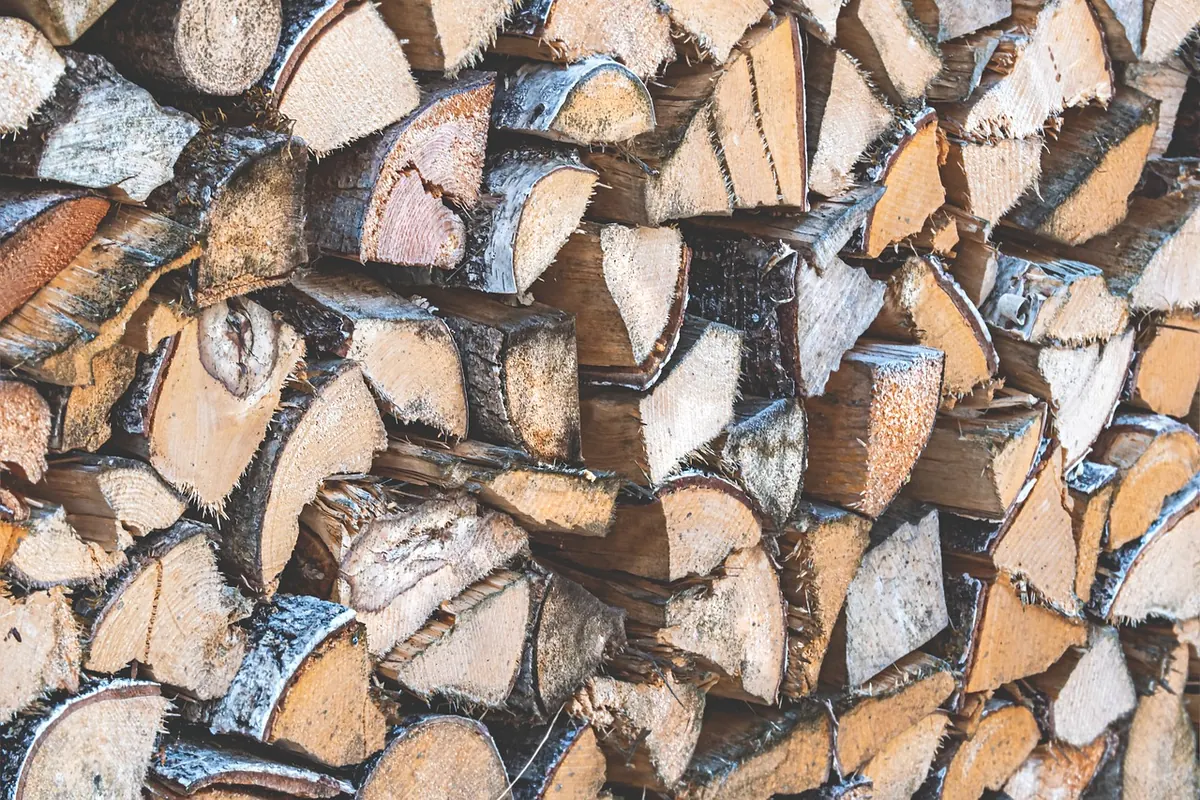
- Firelighters and kindling. Cones are resin-rich and catch quickly. A couple under your usual kindling will get a fire going without firelighters.
- Mulch and path cover. A layer of cones under shrubs suppresses weeds and looks neat, breaking down slowly. They suit acid-loving plants such as rhododendrons, camellias and blueberries rather better than a vegetable bed.
- Wildlife habitat. A loose pile in a quiet corner of the garden gives beetles, spiders and overwintering insects somewhere to shelter.
- Craft and decoration. Wreaths, garlands and table displays all work well. Dry them first, or they will close up indoors and shed scales everywhere.
- Growing your own. Pine seed usually needs a spell of cold, damp conditions before it will germinate. Sow in a pot of free-draining compost, leave it outside over winter, keep it just moist, and be patient.
Dry them properly before they come indoors. A cone that is still damp will grow mould, and mould is the one part of this hobby worth avoiding.
Getting Started This Weekend
Collect on a dry day, taking only open, intact cones from ground you are allowed to use. Spread them in a single layer on newspaper in a shed, garage or airy porch for two or three weeks, turning them occasionally. If you want to be certain nothing is living inside, a spell in the freezer for a few days, or a short stay in a very low oven, does the job — but watch an oven closely, because resinous cones can smoke and catch.
Store dried cones in a breathable sack or cardboard box, not a sealed plastic bin, which traps any remaining moisture. Keep them for firelighters and decorations in a dry place.
A word on burning: cones spit and crackle, and hot resin can pop out of an open grate, so use a fire screen. In a woodburner, treat them as starters rather than fuel — a handful at a time. Burning large quantities of resinous material builds sticky deposits in the flue, which means more frequent sweeping. And if you are dust-sensitive or asthmatic, dry your cones outdoors and wear gloves while handling them; if a cough or irritation persists, speak to your GP.
Finally, leave the tidiest cones where they fall now and then. A wood in late autumn is feeding next spring's birds, and the heap under the pine is doing more work than it looks.
Photo: Ylanite / Pixabay